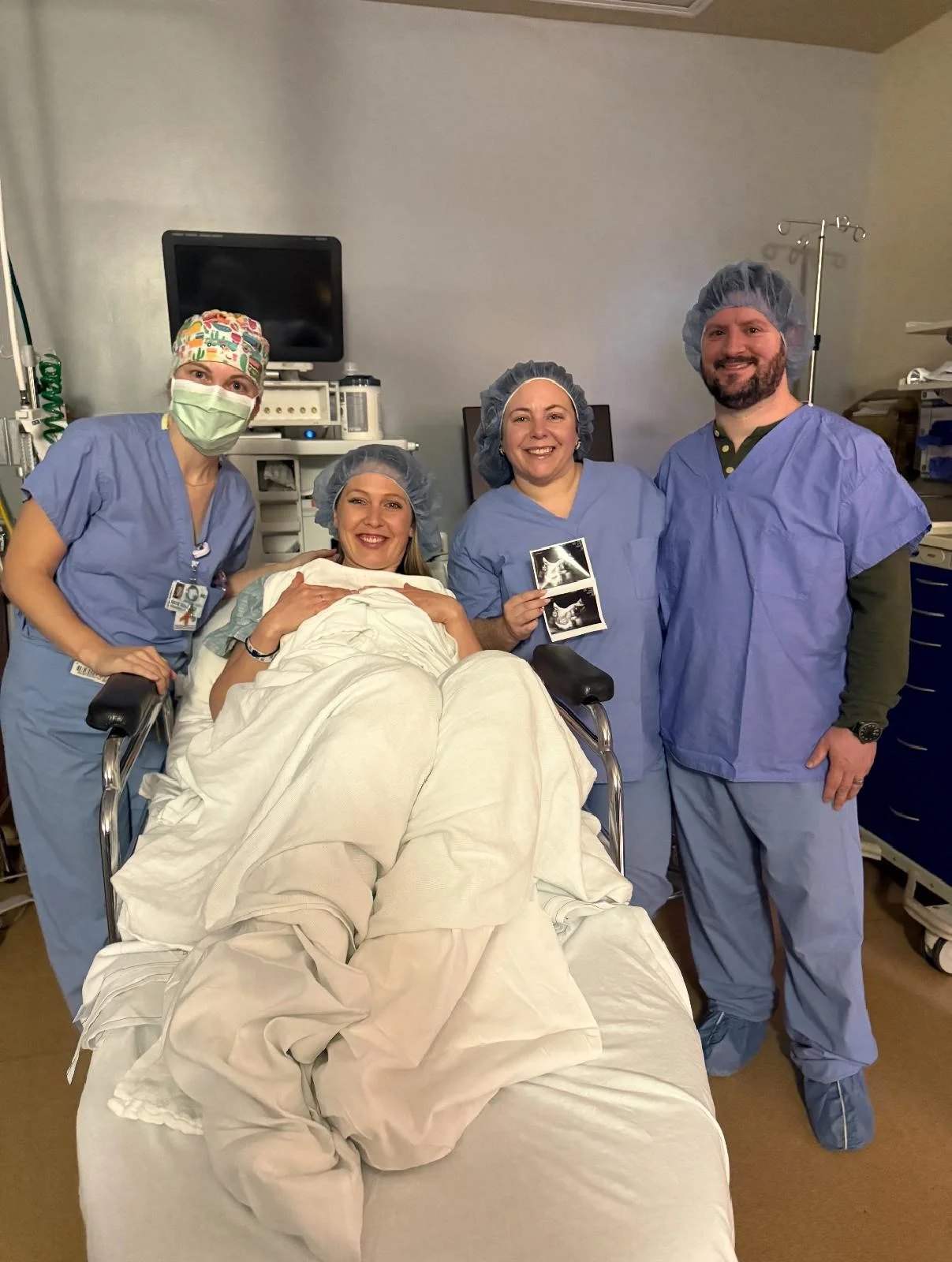
Frozen vs Fresh Transfer

Frozen embryo transfer 1
Frozen embryo transfer 2

What this can offer:

  • More planning flexibility for travel, calendars, and coordination
  • Time to complete legal + financial steps before medical treatment
  • The option for genetic testing prior to transfer (if pursued)
  • A calmer, more predictable runway into transfer

Frozen Embryo Transfer

A frozen transfer means the embryo was created during an earlier IVF cycle, then cryopreserved and transferred in a later cycle once the surrogate's body is fully prepared.

In surrogacy, frozen transfers are often chosen because they allow the process to feel more controlled and coordinated—giving time for screening, legal agreements, escrow setup, and clinic planning before the medical timeline begins. Frozen embryos may also be genetically tested (PGT-A/PGT-M) prior to transfer when intended parents choose that route, which can add clarity before moving forward.
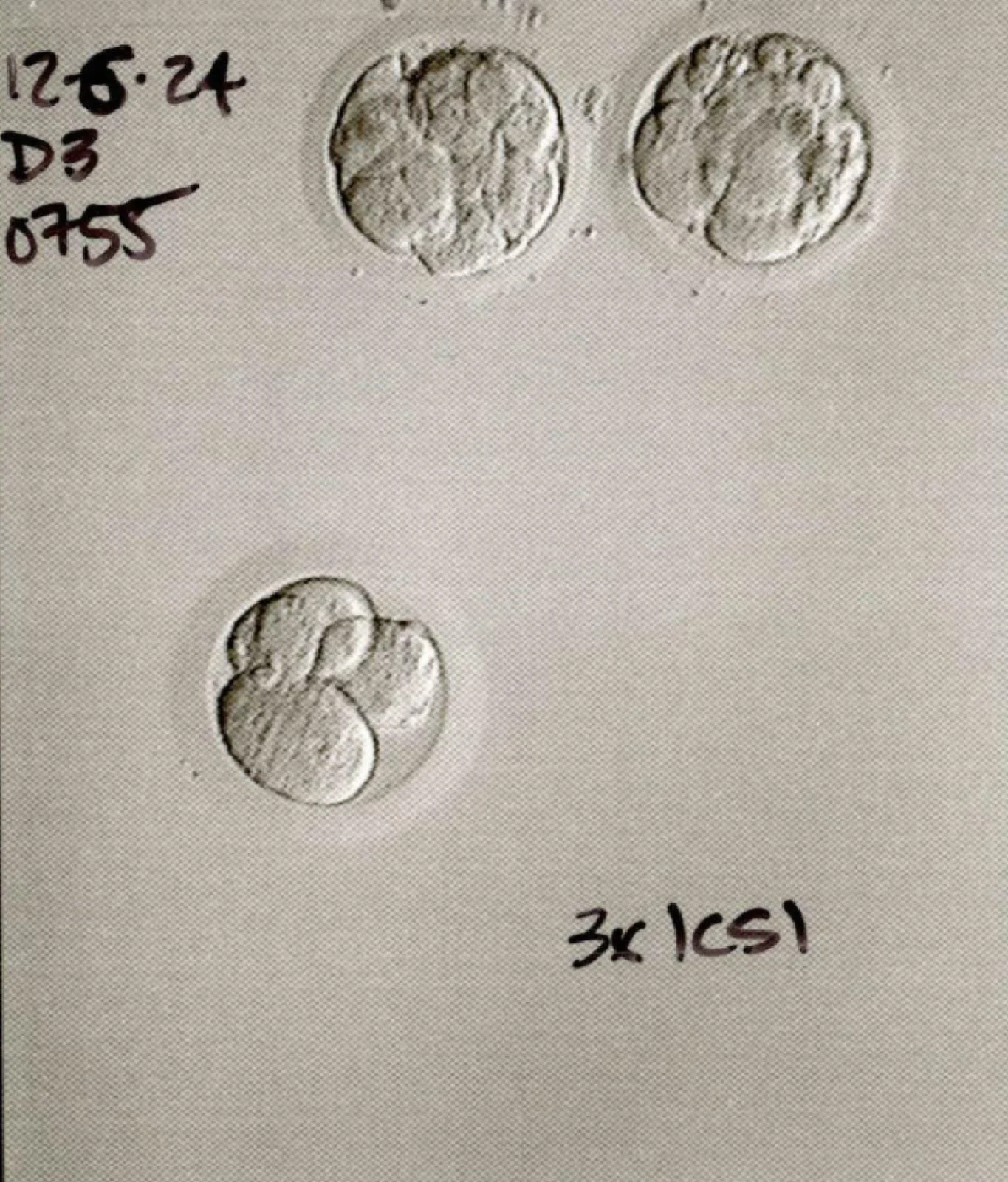
Fresh Embryo Transfer

A fresh transfer means an embryo is transferred days after it is created, during the same IVF cycle as the egg retrieval—without freezing first.

In surrogacy, fresh transfers can be done, but they typically require tighter synchronization between embryo creation and the surrogate's cycle, along with faster coordination on timing and logistics. Some clinics or situations may consider fresh transfer based on medical history, embryo development plans, or specific clinical strategy.

What this can involve:

  • A more compressed timeline from retrieval to transfer
  • More precise cycle synchronization requirements
  • Less scheduling flexibility (because timing is anchored to embryo development days)
Fresh embryo transfer

How Clinics Decide Which Transfer Type Is Best

Your fertility clinic will recommend the approach that best supports the surrogate's body and the intended parents' embryo plan. Factors that commonly influence the decision include:

What this can involve:

  • Embryo plan and lab strategy (including whether PGT is being used)
  • Timing needs and coordination (travel, monitoring, clinic schedules)
  • The surrogate's cycle characteristics and medical history
  • Clinical preference based on what offers the strongest transfer environment

No matter which method is used, the goal is the same: a transfer plan that feels clear, medically sound, and thoughtfully timed—so the journey can move forward with confidence.

Consultation

Free

Private consultation

Our 30-minute consultation is designed specifically for intended parents seeking clarity, guidance and next steps. During this private conversation, you'll meet with Jessica and Amanda to learn more about the matching process, ask questions and explore whether Little Seed Match is the right fit for your journey. This is not a sales call or commitment - just an intentional space to understand your options, your timeline and how independent matching works before moving forward.